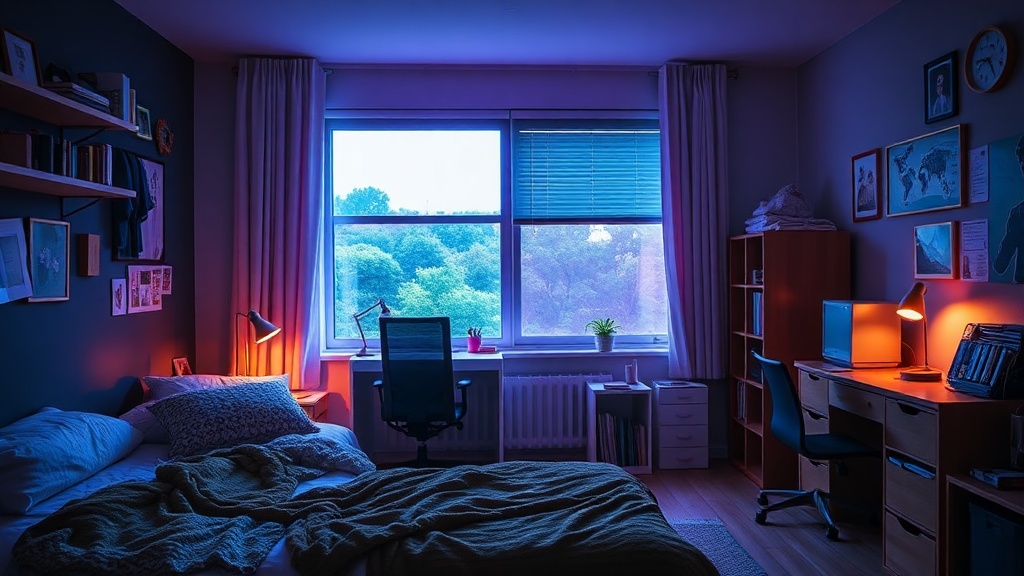
7 Ways to Build a Better Dorm Room Aesthetic

Layer Your Lighting
Add Greenery with Low-Maintenance Plants
Maximize Vertical Wall Space
Choose a Cohesive Color Palette
Texture Through Rugs and Pillows
Organize with Aesthetic Storage Bins
Display Your Personality with Photo Walls
Imagine walking into a dorm room that smells like stale popcorn and looks like a sea of beige cinderblocks. The fluorescent lights are humming, the desk is a graveyard of empty energy drink cans, and there isn't a single piece of personality in sight. For many students, the transition from a bedroom at home to a cramped college unit is a shock to the system. A well-designed space isn't just about looking good for an Instagram story—it's about mental clarity and making a tiny, shared room feel like a sanctuary instead of a cell.
Building a better dorm aesthetic requires a mix of smart organization, lighting, and a bit of strategic shopping. You're working with limited square footage and strict housing rules, so you can't just move in a velvet sofa. Instead, you have to focus on the details that change the vibe of the room without getting you in trouble with your RA. This list breaks down seven practical ways to transform your living situation.
How Do I Choose a Color Palette for a Small Dorm?
Choosing a color palette starts with picking two or three primary colors that work well together. If you pick too many, the room feels chaotic; if you pick too few, it feels boring. Most students find success by picking one neutral base (like white, grey, or beige) and one or two accent colors (like sage green or navy blue).
Think about your bedsheets first. Your bed is the largest object in the room, so it dictates the visual weight of the space. If you choose a bright, patterned comforter from a brand like IKEA, keep the rest of your decor muted.
- The Minimalist: White bedding, light wood accents, and black metal hardware.
- The Earthy Vibe: Sage green, cream, and terracotta tones.
- The Bold Look: Navy blue, gold accents, and crisp white.
Don't overthink it. You can always swap out a throw pillow later if you change your mind. It's much harder (and more expensive) to change a duvet cover every two weeks.
What Are the Best Ways to Improve Dorm Lighting?
Replacing or supplementing the harsh overhead fluorescent lights with warm, layered lighting is the fastest way to change a room's mood. Standard dorm lighting is notorious for being "clinical"—it makes you feel like you're under interrogation rather than studying.
String lights are a classic for a reason. They add a soft glow that makes the room feel cozy. However, if you want something a bit more sophisticated, look into a small floor lamp or a desk lamp with a warm-toned bulb.
A smart way to handle this is to use different light sources for different tasks. You want a bright light for when you're actually grinding through a paper, but a soft, ambient light for when you're just hanging out.
Common Lighting Options:
- LED Strips: Great for placing behind a desk or under a bed frame for a "floating" effect.
- Fairy Lights: Best for adding a whimsical, soft glow to a corner.
- Sunset Lamps: These have become incredibly popular for creating a specific "golden hour" vibe in small spaces.
- Task Lamps: Essential for late-night study sessions so you don't strain your eyes.
One thing to watch out for: check your housing contract before plugging in anything high-wattage. Some colleges are picky about heat-producing lamps or certain types of electrical-intensive gear.
How Can I Use Textures to Make a Room Feel Cozier?
Texture is the secret ingredient that prevents a room from feeling "flat." When everything is a smooth, hard surface—like a plastic desk, a metal bed frame, and a laminate floor—the room feels cold. Adding soft, tactile elements breaks up those hard lines.
A thick rug is probably the most important investment you can make. Most dorm floors are cold, hard, and frankly, a bit gross. A plush rug from Target or a textured jute rug can hide the ugly floor and dampen the sound of footsteps.
Layering is your best friend here. If you have a plain bed, add a chunky knit throw blanket and a few different types of pillows. It adds depth to the room without requiring much actual effort. (Even a simple velvet pillow can make a massive difference in how "expensive" the room looks.)
Where Should I Store My Stuff Without Cluttering the Space?
Storage is the biggest hurdle in dorm life. You have to be ruthless about what you actually need. If you haven't used it in three months, it shouldn't be taking up prime real estate on your desk.
Vertical space is your most valuable asset. Most people forget that the space above their desk or under their bed is prime territory. Using a rolling utility cart—like the ones often seen in Amazon—is a great way to keep snacks, toiletries, or school supplies organized but mobile.
| Storage Type | Best For... | Pros | Cons |
|---|---|---|---|
| Under-Bed Bins | Seasonal clothes/Extra linens | Hidden and out of sight | Hard to reach frequently |
| Rolling Carts | Snacks, toiletries, or art supplies | Highly mobile and accessible | Can look cluttered if messy |
| Wall Shelving (Command Strips) | Books and small decor | Uses vertical space | Limited weight capacity |
The goal is to keep your surfaces clear. A clear desk leads to a clear mind—or at least a slightly less stressed one. If your desk is covered in papers and half-empty coffee cups, you'll find it much harder to focus on your coursework.
How Do I Personalize a Room Without Breaking the Rules?
Most dorms have strict rules about what you can stick to the walls. You usually aren't allowed to use nails or permanent adhesives that might damage the paint. This is where "damage-free" decor becomes essential.
Instead of hanging heavy posters with nails, use Command Hooks or even Washi tape. Washi tape is a low-tack, decorative tape that's perfect for creating "frames" around photos or prints without leaving a sticky residue.
Plants are another way to bring life into a room. If you don't have a green thumb (and let's be honest, most of us don't), high-quality faux plants from places like Anthropologie or even a simple IKEA artificial plant can add a pop of green without the risk of dying.
Art doesn't have to be a massive canvas. A collection of polaroids clipped to a string of lights or a small framed print on a desk can make the space feel like yours. It's about the small, intentional choices.
How Much Does a Dorm Makeover Actually Cost?
A complete room overhaul doesn't have to cost hundreds of dollars. In fact, the best dorm aesthetics are often built on a budget. You can spend a lot of money on high-end decor, but you'll likely find that the most impactful changes are the cheapest ones.
A rug might be your biggest expense, but it's worth it. Everything else—plants, lighting, small organizers—can often be found at thrift stores or discount retailers.
Budget Breakdown Example:
- Low Budget ($50-$100): String lights, a few Command hooks, a small plant, and some new pillow covers.
- Mid Budget ($150-$300): A decent rug, a desk lamp, a rolling cart, and a new set of bedding.
- High Budget ($500+): A full-room redesign including a new chair, substantial rugs, and multiple light sources.
The key is to prioritize. Buy the things that provide the most "bang for your buck" first. A rug and a lamp will change the room much more than a single expensive candle or a fancy desk organizer ever will.
Don't feel pressured to have a "perfect" room by move-in day. Most people spend the first few weeks of the semester just trying to figure out where their laundry goes. Take your time, shop smart, and build a space that actually makes you want to hang out.